We are SMFG India Home Finance Co. Ltd.

 Login
Login
Tier 1 vs Tier 2: Which Is Better for Buying a Home?
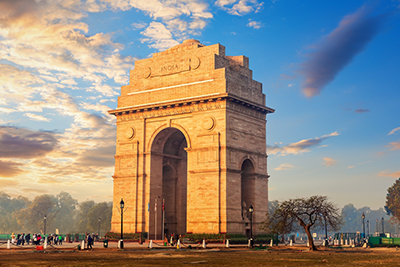
Buying a home is one of the most significant financial decisions, and choosing the right city plays a crucial role. With India’s rapid urbanisation, homebuyers often debate between tier 1 vs tier 2 cities when planning a purchase. While tier 1 cities offer superior infrastructure, job opportunities, and amenities, tier 2 cities provide more affordable housing and a lower cost of living.
In this article, we will define tier 1 and tier 2 cities and compare them to help you determine which is better suited for your home purchase.
What Are Tier 1 Cities?
Tier 1 cities in India are highly urbanised metropolitan hubs known for their advanced infrastructure, business opportunities, and premium lifestyle options. These cities are densely populated and serve as major economic centres.
Key characteristics of tier 1 cities include:
- High Property Prices: Real estate in tier 1 cities is among the most expensive in India due to high demand and limited availability.
- Better Infrastructure: These cities feature well-developed roads, metro connectivity, and airports.
- Job and Business Hub: They house major corporations, IT hubs, and multinational companies, offering extensive employment opportunities.
- Higher Cost of Living: The cost of housing, utilities, and daily expenses is significantly higher compared to other cities.
- Quality Education and Healthcare: They are home to some of India’s top universities, research institutions, and multi-specialty hospitals.
Examples are Delhi, Mumbai, Bangalore, Chennai, Hyderabad, Kolkata, Pune, and Ahmedabad.
What Are Tier 2 Cities?
Tier 2 cities are emerging urban locations with developing infrastructure and growing job opportunities. These cities attract homebuyers due to their affordable property rates and lower cost of living.
Key characteristics of tier 2 cities include:
- Affordable Property Rates: Real estate in tier 2 cities is considerably cheaper than in tier 1 cities, making homeownership more accessible.
- Growing Infrastructure: These cities are rapidly expanding their transportation network, healthcare, and education facilities.
- Lower Cost of Living: Housing, utilities, and lifestyle expenses are significantly more affordable.
- Developing Job Market: Many companies and startups are expanding into tier 2 cities, creating more employment opportunities.
- Better Quality of Life: Less congestion, cleaner air, and a more relaxed lifestyle make these cities appealing to homebuyers.
Examples are Jaipur, Lucknow, Indore, Surat, Jamshedpur, Chandigarh, Bhopal, and Nagpur.
Difference Between Tier 1 and Tier 2 Cities
| Factors | Tier 1 Cities | Tier 2 Cities |
|---|---|---|
| Property Prices | Property rates in tier 1 cities are very high, making homeownership expensive. | Tier 2 cities have lower property rates, making them more affordable for buyers. |
| Cost of Living | The cost of living in tier 1 cities is significantly higher due to expensive housing and services. | Tier 2 cities offer a lower cost of living, making daily expenses more manageable. |
| Job Opportunities | Tier 1 cities provide abundant job opportunities in IT, finance, and multinational companies. | Tier 2 cities have a growing job market, with startups and local businesses offering employment. |
| Infrastructure | Infrastructure in tier 1 cities is highly developed with metro systems, highways, and top healthcare facilities. | Tier 2 cities have improving infrastructure, with expanding transport and healthcare services. |
| Traffic & Pollution | Tier 1 cities face heavy congestion and high pollution levels due to overpopulation. | Tier 2 cities have less traffic and pollution, making them a healthier living option. |
| Education & Healthcare | Tier 1 cities have some of the best universities and hospitals in the country. | Tier 2 cities are developing their education and healthcare sectors, with new institutions emerging. |
Conclusion
Both tier 1 and tier 2 cities have their advantages and disadvantages, and the “better” choice depends on factors like finances, family needs, lifestyle preferences, and long-term goals.
Tier 1 cities offer a developed lifestyle, but higher property prices and the cost of living can be a hurdle. On the other hand, tier 2 cities are more affordable (but, comparatively, not as developed) and provide promising growth opportunities, making them attractive for first-time homebuyers and investors.
Whether you prefer the fast-paced life of a tier 1 city or the affordability of a tier 2 city, the right financial backing is essential for a smooth home-buying experience. To support your ambitions, SMFG Grihashakti offers home loans of up to INR 1 crore* at competitive interest rates and flexible repayment tenures. Apply online today or contact us for more information.